
Prime Minister Narendra Modi has consistently emphasized the importance of public participation in nation-building. Whether it concerns cleanliness, digital payments, water conservation, vaccination, or fiscal discipline, his appeals often center on the idea that every citizen has a role to play in shaping India’s future.
Recently, amidst global economic uncertainty and rising international tensions, PM Modi made seven key appeals to the nation. These appeals aimed to safeguard India’s economy, conserve resources, promote a responsible lifestyle, and strengthen the spirit of national unity.
The Prime Minister’s message was not merely about making temporary lifestyle changes; it reflected a broader vision of building a disciplined, self-reliant, and economically robust India.
His seven appeals covered significant areas such as saving fuel, reducing gold purchases, using LPG responsibly, adopting work-from-home practices, spending foreign currency judiciously, supporting local products, and avoiding unnecessary expenditure on luxury items.
1. Reduce Unnecessary Purchases of Gold and Silver

One of PM Modi’s most widely discussed appeals concerned the purchase of gold and silver.
India is among the world’s largest importers of gold. Every year, billions of dollars are spent importing these precious metals from other countries.
During times of global economic strain, such large-scale imports can put pressure on India’s foreign exchange reserves.
The Prime Minister urged citizens to refrain from non-essential purchases of gold and silver for a period of time.
He noted that while gold holds cultural and traditional significance in Indian society, curbing non-essential purchases could help strengthen the national economy.
Weddings, festivals, and ceremonies often involve heavy spending on jewelry; however, Modi appealed to the public to look beyond personal indulgence and consider the country’s broader economic interests.
This appeal highlighted the importance of financial discipline and responsible spending habits. By reducing non-essential imports, India can conserve valuable foreign exchange and maintain economic stability.
2. Save Petrol and Diesel
Another key appeal focused on fuel conservation. Since India imports the majority of its crude oil from other countries, petrol and diesel prices are heavily dependent on the international market. When global oil prices rise, transportation costs increase, inflation goes up, and the burden on the common people grows.
Prime Minister Modi urged citizens to minimize fuel wastage and use petrol and diesel judiciously.
He encouraged people to adopt habits such as carpooling, using public transport, and avoiding unnecessary travel.
According to him, small efforts made by millions of citizens can have a significant positive impact on the country’s economy.
Prime Minister Modi also emphasized that saving fuel is not merely about cutting costs but also about reducing India’s dependence on imported energy resources. Conserving fuel can strengthen the economy and help India become more self-reliant.
3. Use Public Transport and Shared Mobility
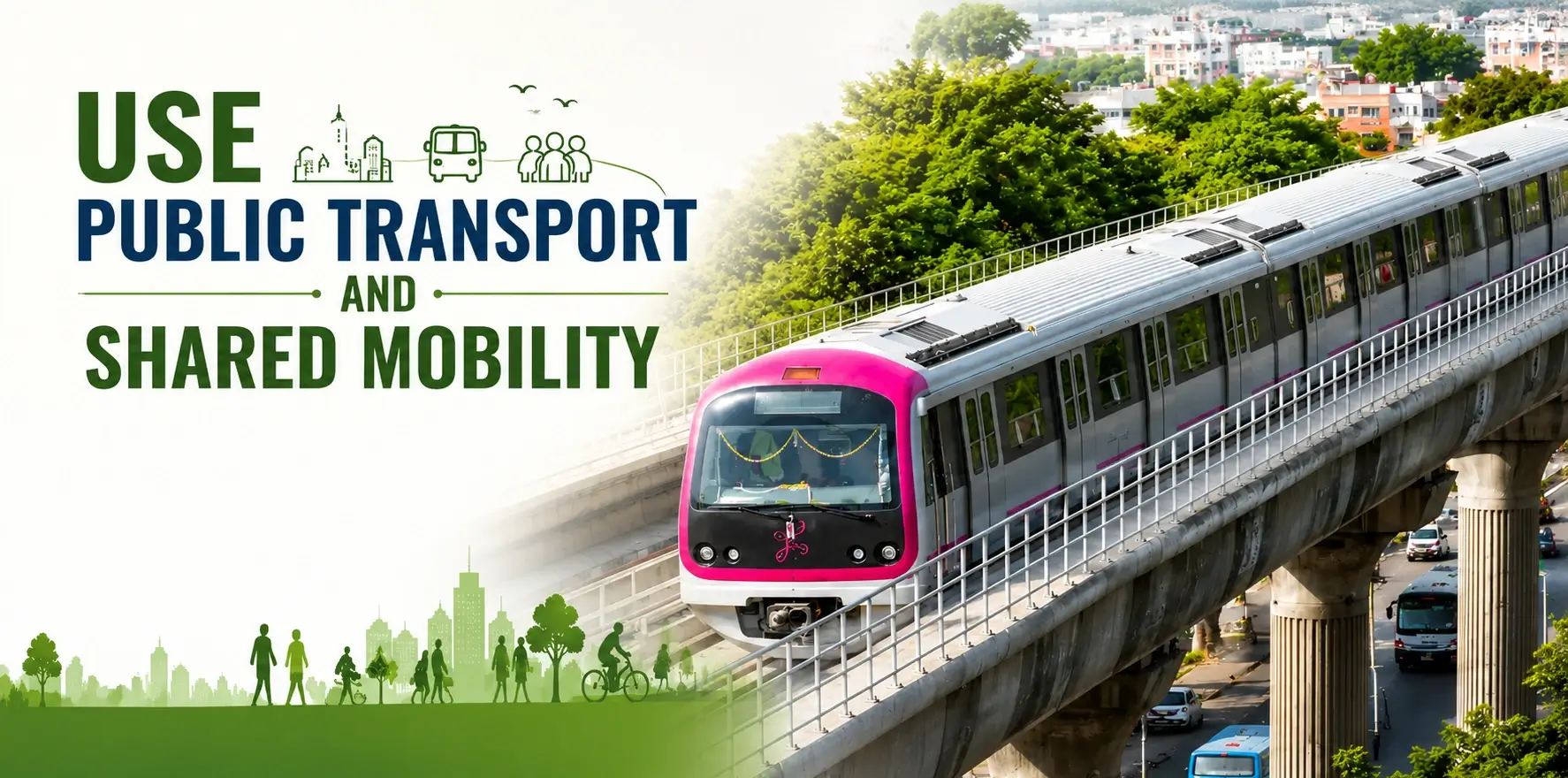
To further reduce fuel consumption, PM Modi urged people to make greater use of public transport systems.
Metro services, buses, trains, and shared transport options can help save fuel, curb pollution, and alleviate traffic congestion in cities.
The Prime Minister stated that if more people adopt public transport, India could significantly reduce its oil imports. This appeal was also linked to environmental protection; fewer private vehicles on the roads mean cleaner air, lower carbon emissions, and healthier cities.
This message encouraged citizens to adopt a more sustainable lifestyle and contribute to the nation’s environmental goals alongside its economic growth.
4. Re-adopting Work-from-Home Practices

Prime Minister Modi also suggested re-adopting work-from-home practices wherever possible.
During the COVID-19 pandemic, offices, educational institutions, and businesses had successfully adopted online systems. According to the Prime Minister, remote work can help reduce fuel consumption by cutting down on daily commuting.
Millions of employees travel long distances every day using petrol and diesel-powered vehicles. If companies allow flexible or hybrid work models, fuel consumption could be significantly reduced.
Work-from-home arrangements can alleviate traffic congestion, save time, and lower pollution levels.
This appeal highlighted how modern technology and digital systems can contribute to both economic savings and environmental sustainability.
5. Use LPG Gas Carefully

LPG is an essential household fuel used by millions of Indian families for cooking. India imports large quantities of LPG from other countries, and rising international gas prices directly impact household budgets.
PM Modi urged citizens to use LPG carefully and avoid wastage.
He encouraged the adoption of simple yet effective habits, such as properly turning off the gas, cooking efficiently, and curbing excessive usage.
According to him, the collective efforts of families can lead to significant fuel savings for the country.
This appeal also highlights the importance of responsible resource management. Conserving LPG not only reduces import costs but also helps families better manage their monthly expenses.
6. Use Foreign Currency Wisely
The Prime Minister emphasized another important point: foreign currency should be used judiciously. India’s economy relies heavily on maintaining robust foreign currency reserves to support imports, trade, and economic stability.
Prime Minister Modi urged citizens to avoid wasteful spending on foreign luxury goods and to focus on strengthening the national economy.
He asked people to carefully consider their choices before spending money on imported luxury items or non-essential foreign products.
This message was linked to the vision of “Atmanirbhar Bharat“. By supporting local industries, Indian businesses, and domestic products, citizens can contribute to economic growth and job creation within the country.
7. Adopt a Responsible and Sustainable Living
Prime Minister Modi’s final and overarching appeal was to adopt a responsible lifestyle. He emphasized that every citizen should consider the nation’s interests when making daily decisions. Whether it involves conserving fuel, reducing waste, avoiding wasteful expenditure, or saving energy-a responsible lifestyle can strengthen India in the long run.
The Prime Minister underscored the importance of discipline, unity, and collective responsibility. According to him, the nation grows stronger when citizens voluntarily participate in national endeavors. His message encouraged people to shun excessive consumption and adopt more balanced and sustainable habits.
This appeal also carried an environmental message. Conserving fuel and resources helps protect nature and ensures a better future for generations to come.
Public Response to PM Modi’s Appeals
PM Modi’s seven appeals elicited an overwhelming response across the country. Many citizens appreciated his message and supported the idea of collective responsibility amidst challenging global circumstances.
Supporters believed that with public cooperation, India could better navigate economic challenges.
Conversely, opposition leaders criticized the appeals, pointing out that rising prices and inflation were already burdening the common people. Some questioned whether merely reducing individual consumption could truly resolve major economic issues.
Social media platforms were flooded with discussions, opinions, and memes related to the Prime Minister’s message. While some users adopted a humorous tone, many others discussed practical ways to save fuel and cut down on unnecessary expenses in their daily lives.
Despite the mixed reactions, these appeals succeeded in raising awareness about economic responsibility and resource conservation.
Importance of These Appeals for India’s Future
The significance of Prime Minister Modi’s appeals extends far beyond immediate economic concerns. These messages foster a long-term vision centered on sustainability, self-reliance, and a disciplined lifestyle.
India is a rapidly growing economy with rising energy and import requirements.
If citizens adopt responsible habits, the country can alleviate pressure on foreign exchange reserves, reduce pollution, and enhance economic stability.
Small lifestyle changes made by millions of people can have a profound impact on the nation.
These appeals also reinforce the idea that nation-building is the responsibility not only of the government but also of ordinary citizens.
Every individual’s contribution matters when it comes to safeguarding the economy and conserving resources.
Conclusion
Prime Minister Modi’s seven appeals to the public reflect a spirit of responsible citizenship and national unity.
His message encouraged Indians to avoid purchasing non-essential gold, conserve petrol and diesel, use LPG judiciously, support public transport, adopt work-from-home practices, spend wisely, and lead an environmentally friendly lifestyle.
The objective behind these appeals was to strengthen India’s economy amidst uncertain global conditions while simultaneously fostering environmental responsibility and self-reliance.
Although public response was mixed, the message highlighted the power of collective effort and public participation in driving national progress.
Ultimately, the success of such appeals depends on how citizens strike a balance between personal convenience and the broader interests of the nation.
If people adopt even small, positive changes in their daily lives, India can move towards a stronger, cleaner, and more self-reliant future.